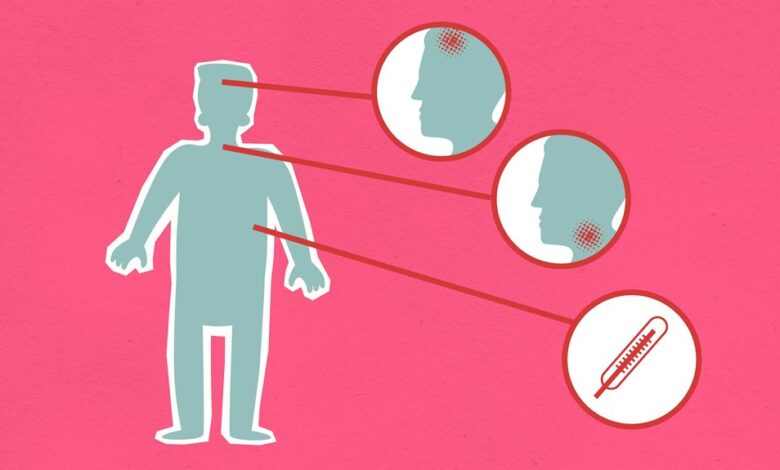
Testing for Homorzopia disease follows a tiered approach, starting with a clinical assessment to gauge pretest probability from exposure and symptoms. Validated serology and molecular assays are used alongside imaging as indicated. Clinicians prioritize accuracy but may offer at-home options for rapid access. Standardized timelines, proper sample collection, and quality controls are essential. Results should be interpreted transparently with clear next steps, guiding informed decisions and surveillance if further confirmation is needed. The implications become clearer as procedures unfold.
How Homorzopia Testing Works: Core Methods and Timelines
Homorzopia testing employs a structured, evidence-based sequence of diagnostic methods designed to detect the disease with high specificity and reasonable sensitivity. Core methods include serology, molecular assays, and imaging-guided assessments, each paired with standardized timelines.
Misconceptions clarified, testing accuracy is enhanced through validated protocols, quality controls, and result interpretation. Timelines balance early detection with confirmatory testing to minimize false positives.
Who Should Consider Testing and When to Seek It
Testing considerations should focus on individuals and circumstances with a meaningful pretest probability of exposure or symptoms, rather than routine screening in low-risk groups.
Testing eligibility is defined by exposure history, occupational risk, and symptom onset timing.
Seek guidance when risk factors align with clinical suspicion, or if new symptoms emerge, to optimize resource use and ensure accurate, timely results.
At-Home vs Clinical Testing: Pros, Cons, and Preparation
Choosing between at-home and clinical testing hinges on accuracy, timeliness, and practical considerations; what are the trade-offs between convenience and control over pretest conditions?
The analysis compares home testing and clinical timelines, noting that home testing offers rapid access but variable specimen handling, while clinical settings emphasize standardized collection, professional oversight, and result validation.
Preparation entails following instructions, avoiding contaminants, and scheduling appropriately.
Interpreting Results and Next Steps for You and Your Loved Ones
Interpreting test results for homorzopia requires careful consideration of test type, timing, and pretest conditions, as these factors influence interpretation and subsequent actions.
The analysis centers on interpreting results with transparency, acknowledging uncertainty, and avoiding overinterpretation.
When results indicate risk or confirmation, clear guidance on next steps, surveillance, and support should be offered, emphasizing autonomy and informed decision-making for individuals and their loved ones.
Conclusion
In summary, testing for Homorzobia disease should follow a tiered, evidence-based approach: assess pretest probability clinically, use validated serology and molecular assays, and supplement with imaging as indicated. At-home tests may offer rapid access, but clinical testing remains the gold standard for accuracy. A single anecdote—one clinician noted that a delayed RNA test missed early viremia—highlights the need for timely sample collection and follow-up. Transparent interpretation and clear next steps empower informed decisions and effective surveillance if uncertainty persists.