Food Safety Question Guide How Jisbeinierogi Harmful Explaining Ingredient Concerns

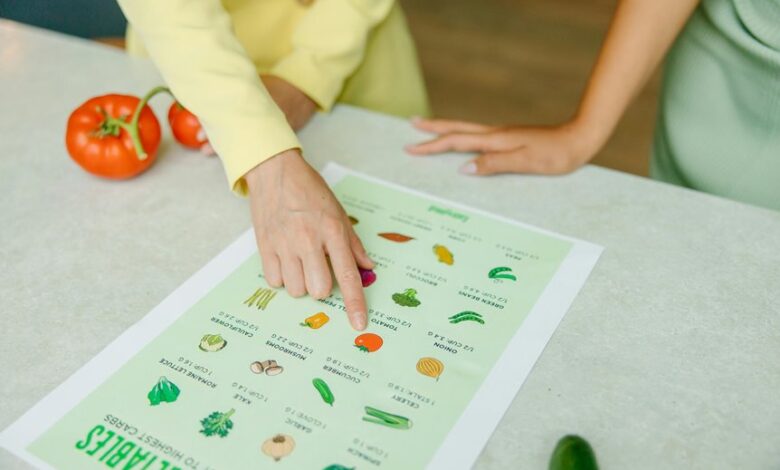
A cautious examination of Jisbeinierogi safety highlights how ingredient concerns can shape risk assessment. The guide emphasizes unverified additives, fillers, and potential contaminants, paired with calls for transparent sourcing and batch records. It notes the importance of clear allergen labeling and packaging integrity, while warning about vague origins. Overall, the discussion signals that rigorous verification and hygienic practice are essential, leaving readers with a practical urge to scrutinize every detail before proceeding.
What Makes Jisbeinierogi Risky? Ingredient Red Flags Explained
In evaluating Jisbeinierogi, the key safety concerns center on ingredient quality, sourcing, and processing practices that could introduce health risks.
The analysis identifies risky ingredients and potential contaminants, emphasizing transparent supply chains, validated sourcing, and strict handling controls.
Observers note label red flags such as vague origins, unverified additives, and inconsistent batch documentation, demanding rigorous verification before consumption.
How to Read Labels for Harmful Additives and Fillers
Label reading is a practical step for assessing potential harmful additives and fillers in Jisbeinierogi.
The discussion emphasizes label interpretation, allergen awareness, and dietary restrictions, urging careful scrutiny of ingredient sourcing and processing methods.
Packaging safety signals help determine exposure risk.
Readers evaluate ingredient lists, required disclosures, and regulatory notes to support informed choices while maintaining autonomy and freedom in food decisions.
Safe Preparation and Cooking Steps to Minimize Contamination
Safe preparation and cooking practices are essential to minimize contamination risk in Jisbeinierogi, requiring strict adherence to hygienic standards from thawing through serving. The text emphasizes controlled temperatures, separate handling, and sanitized utensils to limit unnecessary risks. It notes labeling ambiguities may hinder consistent practice, reinforcing evidence-based steps without sensationalism, fostering informed decision-making while preserving culinary freedom and practical safety considerations.
Practical Tips for Choosing Reputable Brands and Alternatives
Choosing reputable brands and reliable alternatives is essential for reducing contamination risk and ensuring consistent quality in Jisbeinierogi.
The guidance emphasizes careful evaluation of brand transparency, robust sourcing practices, and evidence of safety testing.
Attention to allergen labeling aids informed choices.
Consumers should compare official disclosures, verify independent certifications, and prefer transparent manufacturers to minimize exposure to contaminants and uncertain ingredients.
Conclusion
Conclusion: While Jisbeinierogi can be enjoyable, vigilance is essential. The guide urges scrutinizing ingredients, verifying labels, and demanding transparent sourcing and consistent records. Adverse additives or fillers deserve scrutiny, and proper hygiene, temperatures, and separate utensils reduce risk. As the adage goes, “measure twice, cut once”—verify, verify again, before consuming. Readers should balance culinary exploration with evidence-based safety practices to minimize harm while preserving quality.