Health Risk Discovery Guide iaoegynos2 Deadly Explaining Medical Concern Searches

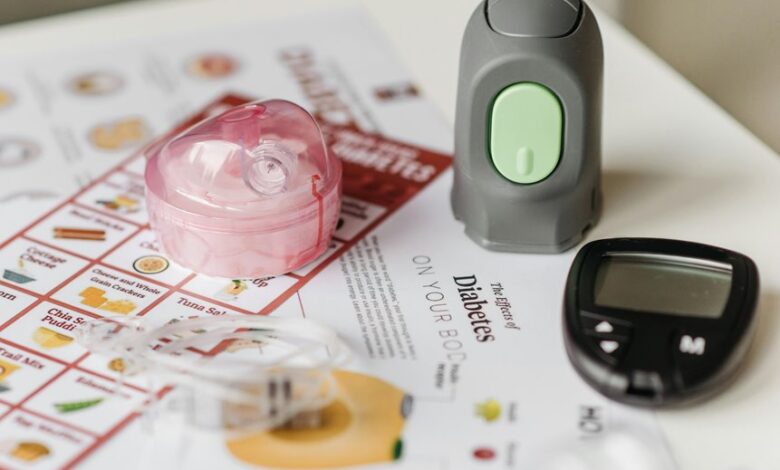
The Health Risk Discovery Guide iaoegynos2 emphasizes a disciplined, evidence-based approach to evaluating medical concerns and avoiding sensational online searches. It promotes corroboration, humility before uncertainty, and patient-centered communication to transform alarming signals into practical steps. By prioritizing reliable sources and critical appraisal, it guides readers toward a measured response that minimizes panic while outlining clear actions. The question remains: how can this framework be practically applied when urgent symptoms emerge?
What the Health Risk Discovery Journey Really Means
Understanding the Health Risk Discovery Journey requires careful definition and measured interpretation of how risks are identified, evaluated, and communicated. The process emphasizes structured evidence, transparency, and humility before uncertainty. It cautions readers about unreliable sources and the impulse for adrenaline fueled searches, which can distort judgment. A measured approach values corroboration, critical appraisal, and patient-centered communication to guide informed decisions.
How to Spot Reliable Medical Information Online
Reliable medical information online can be distinguished by its transparency, methodological soundness, and alignment with current scientific consensus. The assessment emphasizes risk evaluation, source triangulation, and health literacy to interpret medical terminology accurately. Online verification and bias awareness support critical judgment, encouraging readers to compare claims across reputable outlets. This detached appraisal promotes informed navigation, reducing misinformation and fostering freedom through empowered decisions.
Turning Alarm Into Action: Step-by-Step Response Plan
In the face of concerning health signals, a structured, step-by-step response plan translates alarm into actionable risk mitigation. The approach emphasizes calm assessment, prioritizing safety, and seeking reliable guidance. It involves documenting symptoms, evaluating sources, and distinguishing uncertainties from facts. Action steps include consulting professionals, following evidence-based recommendations, and updating plans as new information emerges, maintaining measured, freedom-oriented decision-making.
Avoiding Common Pitfalls in Medical Searches and Forums
When applying the risk-management mindset from the prior step-by-step plan, it becomes important to recognize how medical searches and online forums can distort risk perception. Researchers caution readers about unreliable forums and sensational headlines, which may exaggerate dangers or overlook context. A balanced approach relies on reputable sources, critical thinking, and corroboration across independent, evidence-based references to avoid misinformation.
Conclusion
This Health Risk Discovery Journey emphasizes cautious, evidence-based evaluation over sensationalism, guiding readers to verify symptoms, consult professionals, and triangulate trustworthy sources. By prioritizing humility before uncertainty, it reduces unnecessary alarm and promotes practical action. An intriguing statistic: large-scale analyses show up to 60% of online health searches are followed by inappropriate self-care decisions when sources lack transparency. A careful, stepwise approach helps convert anxiety into constructive, well-informed steps aligned with current science.