

She loves scouring the internet for delicious, simple, heartwarming recipes that make her look like a MasterChef winner. Her other culinary mission in life is to convince her family and friends that vegetarian dishes are much more than a basic salad. No, alcohol-induced sneezing is a peculiar reaction that only affects a small percentage of individuals. You are now leaving thermofisher.com, and going to cvs.com/minuteclinic, owned and operated by an independent third party.
If any of the following scenarios seem familar, it might be time to make some changes. If you get gustatory rhinitis, there are many treatments and management methods to choose from. While alcohol can help you fall asleep faster, it has a alcohol sneezing negative effect on sleep quality and duration. This is why people who drink alcohol at bedtime (especially in excess) may fall asleep quickly, but they are also more likely to experience fatigue and insomnia in the long run. Alcohol increases your risk of breast cancer because it causes an increase in estrogen levels, and damages DNA, which can lead to the development of cancer cells.
Diagnosis of alcohol intolerance
If dizziness occurs consistently after alcohol consumption, it’s a strong indicator of an underlying allergy or intolerance. Ignoring this symptom can increase https://ecosoberhouse.com/ the risk of falls or other accidents, so it’s important to take it seriously. The histamine causes the blood cells in the nasal region to dilate, resulting in mucus, nasal congestion, sneezing, and a runny nose.

Pet Allergies
This article breaks down what might be causing your symptoms—like redness, nausea, or breathing issues—after drinking. We’ll explore potential triggers such as new health issues, medication interactions, or aging, and explain the difference between alcohol intolerance and allergies. Plus, get practical suggestions on managing these reactions, whether it’s adjusting your diet, medication, or alcohol intake. If you’re concerned about sudden alcohol intolerance, this guide has the answers you need. It’s important to note that sneezing after consuming alcohol is not typically a cause for concern, and for most people, it’s simply a harmless reaction.
The Connection Between Beer and Sneezing
This happens because of histamine and sulfites in alcohol, which can irritate your immune system, especially if you’re sensitive or have allergies. It can also be due to alcohol intolerance, where your body struggles to break down alcohol properly. Drinking alcohol with allergies may increase symptom severity, as alcohol can cause blood vessels to expand, leading to nasal congestion. It may also interact negatively with allergy medications, causing drowsiness, dizziness, or more serious side effects.
Preventive Measures and Management
Alcohol intolerance is typically diagnosed through a combination of self-observed symptom tracking, a detailed medical history and a physical exam. A healthcare provider will ask about your symptoms, their frequency and duration, and what types of alcohol seem to trigger them. It’s fascinating, yet sobering, to realize how much my body was struggling to cope during my years of heavy drinking. I had gotten so used to feeling bad that it became my baseline, and I didn’t even recognize how much damage was being done.
Common symptoms include facial redness, nasal congestion, itching, hives, nausea, vomiting, abdominal pain, and in severe cases, difficulty breathing or anaphylaxis. Certain groups of people are prone to alcohol intolerance, though it can affect anyone. Up to 45% of East Asians carry the ALDH2 variant linked to alcohol flushing syndrome, which is a condition where your face, neck, or chest turns red soon after drinking alcohol. It’s usually caused by a genetic mutation that affects how your body breaks down alcohol. Identifying specific triggers and making Halfway house informed choices can contribute to a more pleasant and symptom-free experience.
- A food allergy is your immune system’s response to a food protein that the body sees as harmful.
- If you find yourself sneezing after consuming specific alcoholic beverages, the culprit could be an allergy to certain ingredients in those drinks.
- This surge in adrenaline causes palpitations and an increased heart rate, as your body tries to adapt to the absence of alcohol.
- The symptoms can range from mild to severe, and can potentially be life-threatening in rare cases.
- In some people, a grain or another substance in alcoholic beverages can trigger a true allergic reaction.
What Type of Beer Is…
The ALDH2 deficiency that causes alcohol intolerance is a genetic mutation. It can be passed down through generations, even if it doesn’t appear to affect your parents or grandparents. Purchase the same tests your doctor orders and get insights into your health. Our convenient allergy tests can measure your immune response to common allergies found in the air, in foods and with pets. Track allergy symptoms and prepare for a visit with a healthcare provider.

How To Prevent Nasal Congestion After Drinking Alcohol
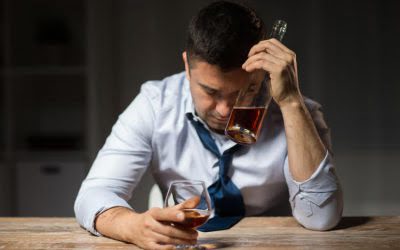
Alcoholic beverages like wine and beer can make allergies worse due to their high histamine content. Histamines are chemicals your body produces during an allergic reaction. Additionally, certain types of alcohol can trigger a reaction to wheat, grapes, or other allergens they contain. Other molds, yeasts, proteins, and ingredients used for wine fining can also be allergens.
Risk factors
Signs of an alcohol allergy include skin reactions like hives, difficulty breathing, swelling, nausea, or rapid heartbeat shortly after drinking. If you suspect an allergy, it’s best to consult a healthcare provider for proper diagnosis, which may involve allergy testing and reviewing your medical history. It can exacerbate existing symptoms, trigger allergic reactions due to the substances it contains, or contribute to conditions like allergic rhinitis.
This symptom should not be ignored, as it can escalate to more severe breathing difficulties if left unaddressed. Individuals experiencing wheezing after alcohol consumption should seek medical advice promptly. You now know the causes of a stuffy nose after drinking alcohol, so you should learn how to treat it. If your nose is always inflamed, it may mean you have other health issues from alcohol. If you have ongoing alcohol intolerance symptoms, a residential treatment arizona program can support your health improvement.
